Blog
Wood Burning Stoves: 7 Powerful Reasons They’re Making a Comeback


Wood Burning Stoves: 7 Powerful Reasons They’re Making a Comeback

Wood burning stoves are back in a big way — not just in cabins and cottages, but in modern family homes that want real heat, lower bills, and a cozy atmosphere that central heating can’t match.
If you’ve ever wondered whether a wood stove still makes sense in 2025, the short answer is: yes, absolutely. In this guide, we’ll walk through seven powerful reasons why wood burning stoves are making a serious comeback and how they can fit into a modern lifestyle.
1. Wood Burning Stoves Offer Real, Radiant Heat
Forced-air systems blow warm air that cools quickly. In contrast, wood burning stoves create steady, radiant heat that warms the room, the furniture, and you. That deep, long-lasting warmth is one of the biggest reasons homeowners are switching back.
Radiant heat is especially helpful in open-plan spaces, older homes, and living rooms where the family gathers. With the right size stove, you can comfortably heat a large area without cranking the thermostat.
2. A Smart Way to Cut Heating Bills
As energy prices rise, many households are looking for ways to control their heating costs. When sourced locally, firewood can be far more affordable than gas or electricity. A well-installed, efficient wood burning stove can dramatically reduce how often your main heating system runs.
According to the U.S. Department of Energy, modern wood and pellet heaters can provide significant savings when used as a primary or supplemental heat source.
3. Modern Wood Burning Stoves Are Cleaner Than Ever
Old smoke-belching fireplaces gave wood heat a bad reputation. New EPA-certified wood burning stoves are a different story. They use advanced combustion technology to burn fuel more completely, reducing both smoke and creosote buildup.
Cleaner burns mean less pollution, less chimney maintenance, and more usable heat from every log you burn. If you care about efficiency and the environment, always look for a stove that meets current EPA wood heater standards.
4. Backup Heat You Can Count On
When the power goes out, most modern heating systems stop working. A properly installed wood burning stove doesn’t depend on electricity, so it can keep your home warm during storms, outages, or emergencies.
Many homeowners now see wood burning stoves as part of their resilience plan — a reliable, off-grid-friendly heat source they control themselves.
5. A Focal Point That Transforms Any Room
Beyond the practical benefits, there’s something emotional about a real fire. The glow, the sound of crackling logs, the visual warmth — it all turns a plain living room into a space everyone wants to sit in.
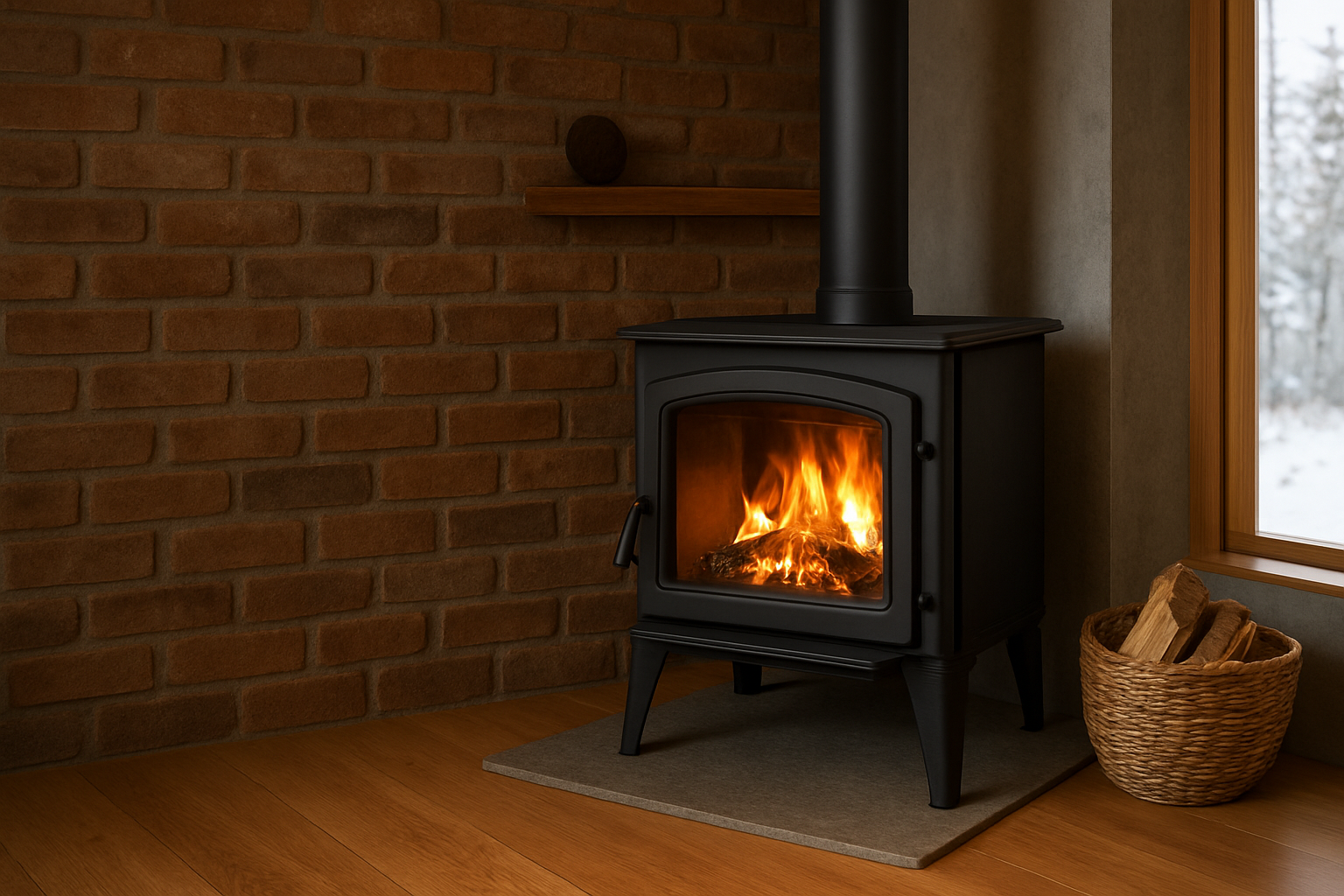
Designers often use modern steel or cast-iron wood burning stoves as a statement piece. Pair one with a simple hearth, neutral walls, and natural textures, and you’ve instantly upgraded the feel of your home.
6. Wood Burning Stoves Can Be Surprisingly Eco-Friendly
When burned efficiently in a modern stove, wood is considered a renewable, low-carbon fuel. The CO₂ released from burning seasoned wood is roughly equal to what the tree absorbed as it grew.
To keep your setup eco-friendly:
- Use only dry, seasoned firewood.
- Never burn painted or treated wood.
- Choose high-efficiency wood burning stoves with EPA certification.
7. Flexible Options: Wood Today, Pellets or Gas Tomorrow
Not sure if wood burning stoves are your final choice? Many homeowners start with wood, then later add a pellet stove or gas stove in another room for convenience.
The good news: the knowledge you gain from using wood heat makes it easier to understand other solid-fuel systems like pellet stoves. If you ever want to compare options, you can read our wood vs pellet vs gas stove comparison on our site.
Is a Wood Burning Stove Right for Your Home?
If you want lower heating bills, real radiant warmth, and a centerpiece that makes your home feel welcoming every night, a modern wood burning stove is worth serious consideration.
Before you buy, check:
- Local building codes and installation requirements.
- Chimney or flue options in your home.
- Access to reliable, seasoned firewood.
Work with a professional installer whenever possible, and always follow the manufacturer’s installation and safety guide.